The Meaning of Oriel Window, Organdy, Osnaburg
What is an Oriel Window? Organdy? Osnaburg?
More design terms and photos for Offset Print, Oxford Cloth,Ogee, Olefin, Oleo-Resinous, Open Planning, Oil Stain, Olefin, Oratory, Oleo-Resinous, One-Pipe System, Order,Out Swinging Casement, Ovalo, Overlapping, Overstretch, Ogee.
Offset Printing: (fabric) This is a method of printing in which a dye or mordant is applied to a pattern by another surface. There are many ways, a wooden block, potato, lino block, calabash, wooden roller or engraved copper roller, the copper roller is capable of creating much finer patterns than the others.
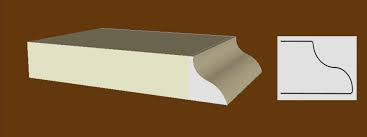
Ogee: a moulding formed by the combination of a round and a hollow, part being concave and part being convex. Ogees are extensively used in classical architecture with the convex part always placed upwards.
Oil Stain: This consists of ground semi transparent pigments mixed with linseed oil and thinned with turpentine. It is slow drying and requires at least 24 hours to dry. Its composition is similar to that of scumble.
Olefin: (textiles) This includes the varieties polyethylene and polypropylene. A very light fibre, Olefin particularly resembles wool, it is soil resistant and is a good heat insulator.
Oleo-Resinous: Made of a solution of a resin in an oil.
One-Pipe System: Heating circuit in which all connections to radiators come from the same pipe.
Open Planning: A term taken from the style of Frank Lloyd Wright’s modern concept of space planning at the turn of the twentieth century. Traditional concepts of individual rooms for activities gave way to open planning. Large flowing living areas which integrated compatible activities. The spaces were divide by columns, changes in floor and ceiling level, interior plant placements, and furniture placement which all combined to created activity spaces within the open plan. A concept that is still in full use today as with our new technology heating and insulating these larger spaces has been simplified and become more efficient than when it was first conceived.
Oratory: small private chapel.
Order: in classical architecture a column entire consisting of the base the shaft and capital with an entablature.
Organdy: (fabric) Very light and thin, transparent, stiff and wiry cotton. It will withstand repeated laundering and still retain its crispness. A true durable finish cloth. Varied colours, also prints. Primary use in curtains and drapery.

Oriel Window: Type of bay window supported on brackets or corbels.

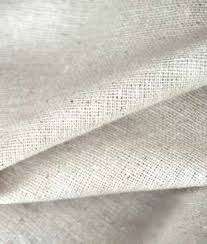
Osnaburg: (fabric) Strong and durable course cotton weave. Often used in its natural color but also dyed or printed.
Out Swinging Casement: An outward opening window. It can be operated by crank or manually opened. They are generally composed in groups of one, two three or four.
Ovalo: a convex molding used in classical architecture. It is usually an exact quarter of a circle but in Grecian it is flatter and quirked on top.
Overlapping: (wallcovering) This is where one length encroaches on the next. It is caused by poor workmanship, insufficient soaking or missing patches whilst pasting, which makes the paper, swell unevenly.
Overstretch: (wallcovering) This is where the paper is poorly matched, creased, polished (shiny) or embossed papers are flattened. This is caused by bad paper handling and over brushing.
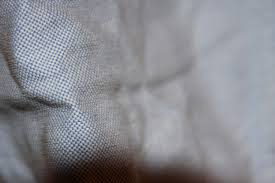
Oxford Cloth: (fabric) Often in stripes or checks. A popular shirt and dress material, also usable for curtains.
Find more design terms from interiordezine.com
Can’t find what you are looking for? Then try using the search feature below for more design terms.