Architectural Terms for French Pleat, Foundation and more
Architectural definitions and images for flattening of carpet, flat bar steel, flat seam, flexible track, flexible vinyl, flocking, flounced bed cover, fluorescent lighting, flush door, foam rubber and underlay, footing and foundation, French pleat seam and windows, fretwork, frieze, fringe and frise.
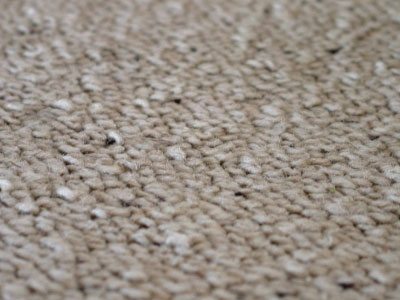
Flattening: (carpet) this is expected on any type of carpet in high traffic areas such as doorways around furniture under desks etc. It is just the pile flattening or the pile being repositioned. It is more noticeable in plain cut pile carpets as there is a noticeable difference between the top and side of the yarn tuft. To ease this problem vacuuming or wet or dry cleaning will temporary revive the pile but the cause will mean that it will occur again.
Flat Bar Steel: (often referred to flats by the industry)This is a solid piece of steel that is heavier and stronger than tubular steel. 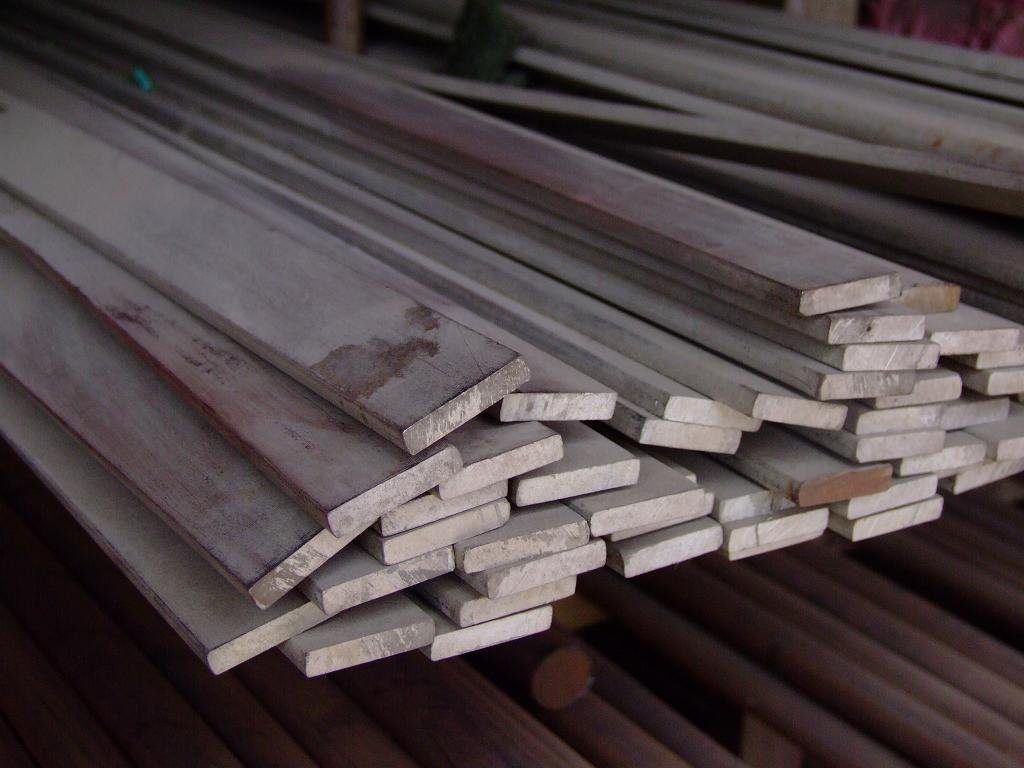
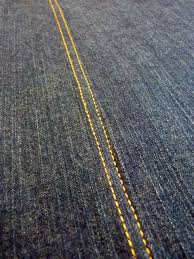
Flat Seam: In sewing, it is a simple seam that attaches two pieces of fabric together. The fabric is placed with the right sides together before sewing, so on opening the seam the seam is on the wrong side of the fabric.
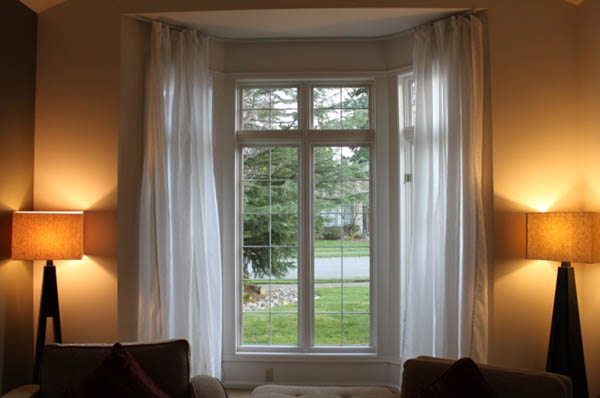
 Flexible Track: (drapery) It is possible to purchase flexible tracks, which are ideal for bay or bow windows if you want to follow their line with the curtains. They are made of PVC and are very strong.
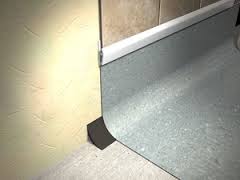
Flexible Vinyl: This comprises of PVC, resin binder, fillers and pigments. It is a very versatile product as it comes in numerous thicknesses, textures, patterns and colours. It is waterproof, oil and fat resistant, hardwearing and not effected by most household chemicals. As it is flexible it can be coved up walls to create a watertight floor. For non-slip varieties, quartz crystals or Carborundum are impregnated into the product.
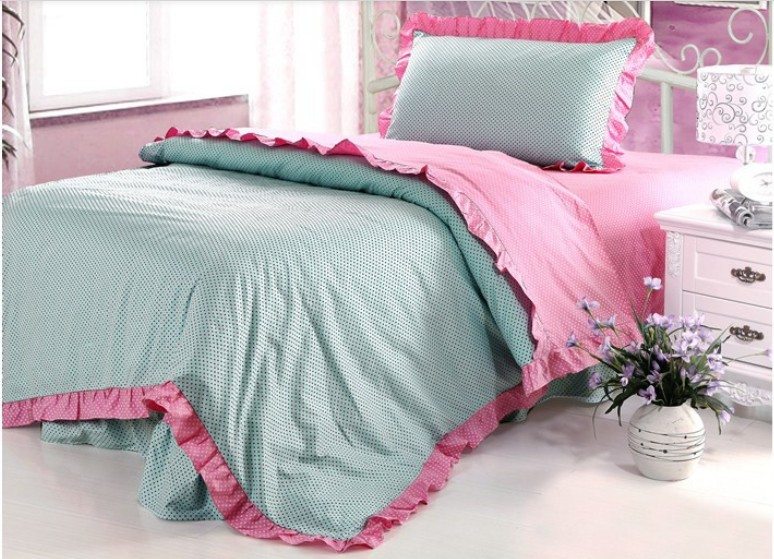
Flocking: (wall covering) This has a luxurious velvet feel. It is made by dusting powdered silk, wool or flock onto a tacky patterned surface paper, creating a piled effect. 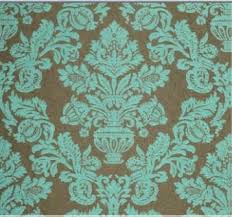 Flounced Bed cover: This is a fitted bedcover that has a deep flounce. The top piece is flush with the bed and it has gathers around the perimeter of the top and falls to the ground. It provides a softened look for a bedcover whilst still being neat and tidy.
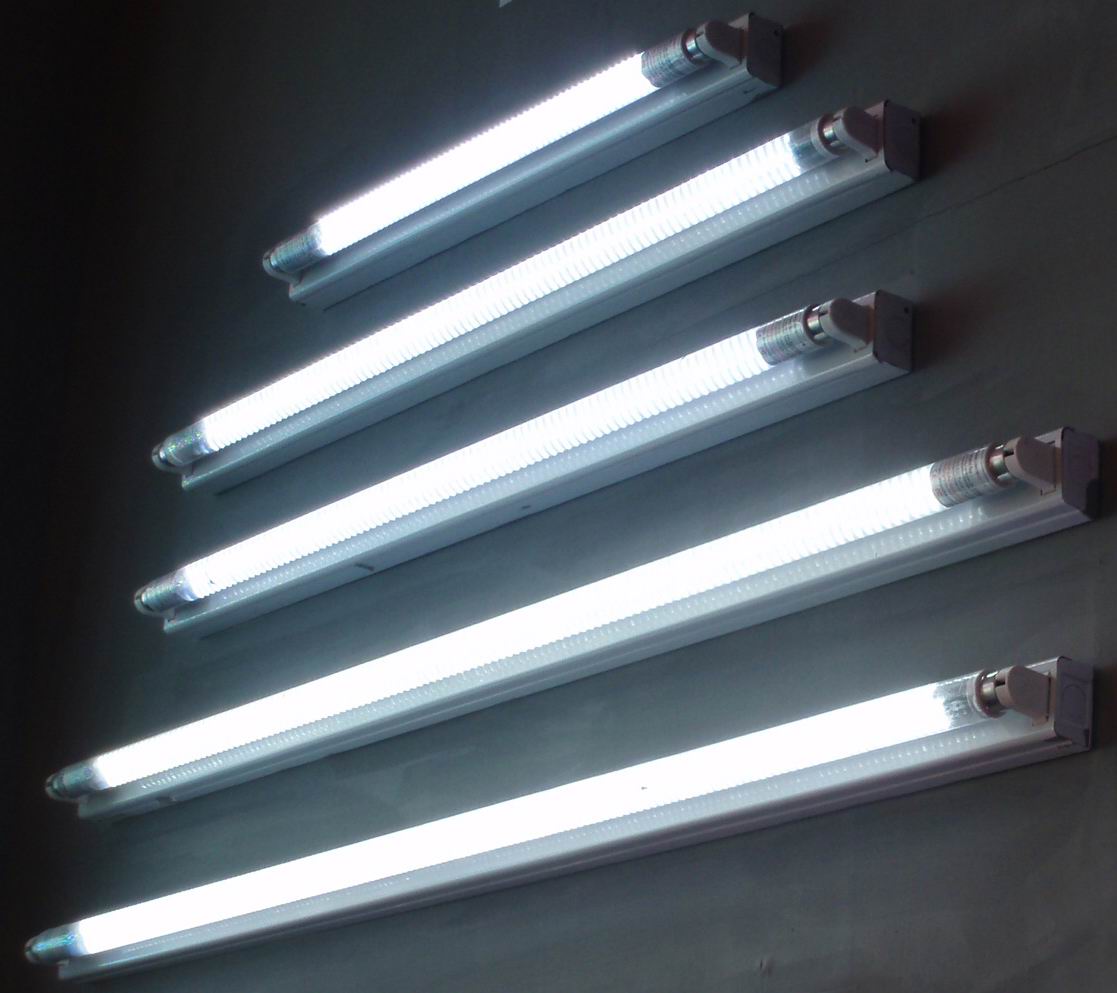
  Fluorescent Lighting: Electrodes are sealed into each end of a glass tube, (can be formed in a number of shapes), and a mercury vapor arc between them generates ultraviolet radiation, which is absorbed by a fluorescent powder coating the inside of the tube, and released as visible light. It is a very efficient form of lighting.
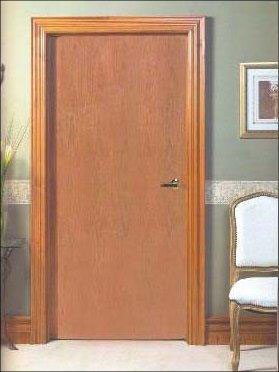
  Flush Door: A door of any size, not paneled, having two flat surfaces. Flush doors are frequently of various types of hollow core construction.
Foam Rubber: This has an expanded structure, made of either latex ( natural product) or synthetic rubber (polyurethane). It is formed by incorporating bubbles into the materials liquid state. Once set a foam block or sheet is created. The density can vary greatly, as well as the hard and softness. It recovers from compression, and is an ideal product for use in cushioning for upholstery, replacing the traditional spring upholstery system.
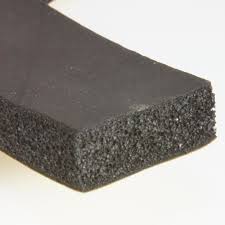
Foam Underlay: This comes in two different types. Prime polyurethane and bonded polyurethane chips. The more popular of the two is the bonded polyurethane chip. This is made by bonding polyurethane chips to create a flat multicoloured sheet. There are many different qualities. The cheaper the foam the softer it is and this will not give the carpet the protection and stability it requires.
Footing: the part of the foundation that bears on the ground and is reinforced so that it can resist the bearing forces. 
Foundation: The parts of a building, which transmits and distributes the load to the ground via a footing.

French Pleat: This tape forms groups of three pleats spaced apart at equal distances. The pleats are pinched close together at the bottom so that they fan out towards the top. They require a specific curtain hook to hold the pleats in place. 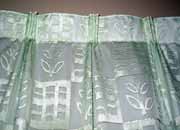
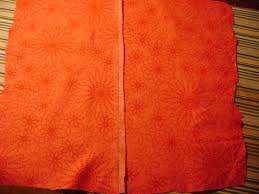
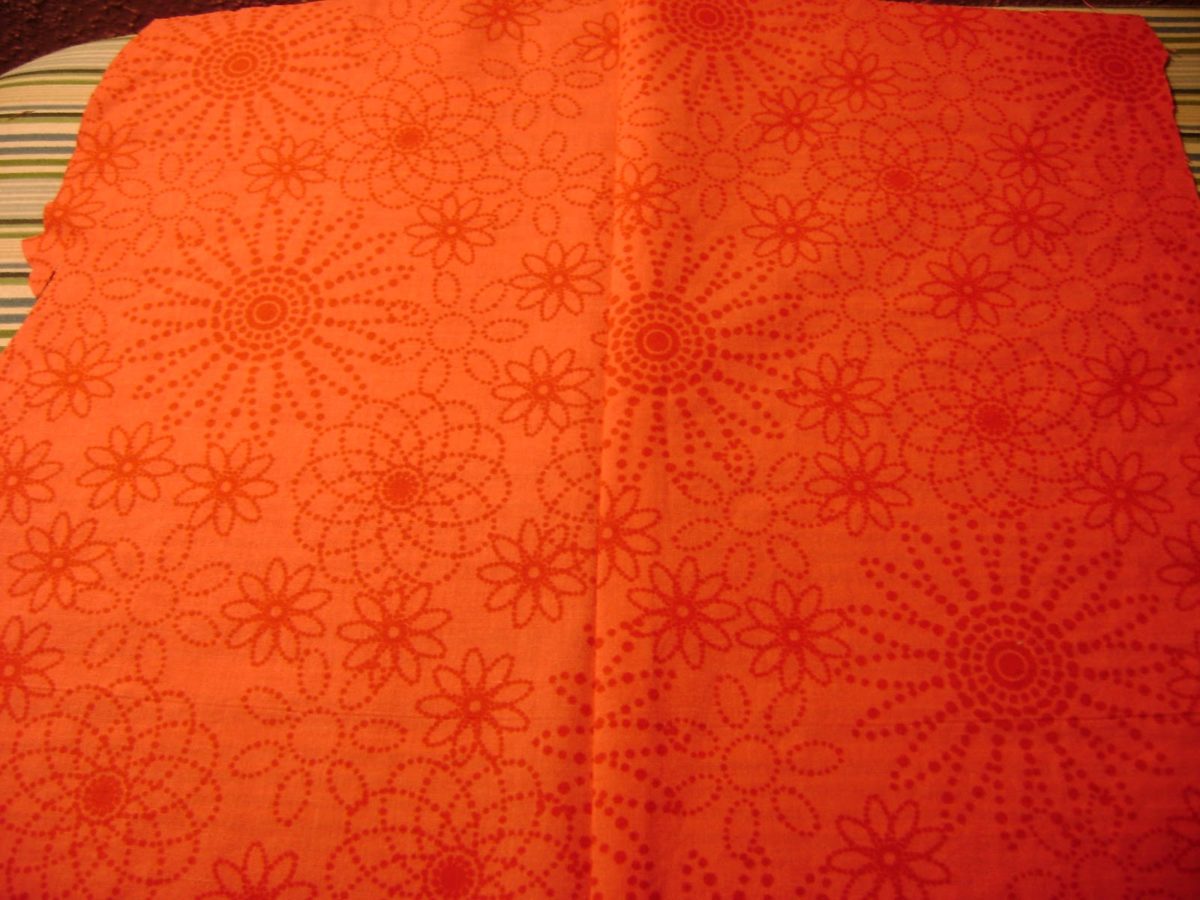
French Seam: In sewing, this seam is used with transparent fabrics and light fabrics, it is a self-neatening seam that encloses the raw edges of the fabric. It is sewn by placing the right sides together, sewing the seam, then turning the seam to the inside and sewing another seam to enclose the first.
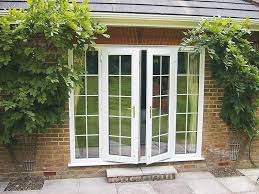
French Windows: Also called French doors they are long sash windows hinged to the side. The window extends down to the floor and serves as a door.
Fretwork: Similar to filigree however fretwork can either be carved into timber or cast in metals. Often used as trim under veranda lintel/soffits. In the context of interiors it’s a series of geometric designs carved into timber. Fretwork can be either open or on a backing, called a blind. This is often a contrasting color or word to exaggerate the detail. 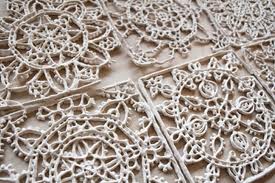
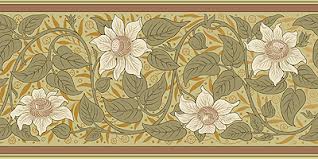
Frieze: A decorative trim that runs the circumference of a room. It’s more often made from wallpaper and set at cornice height or above.
Fringe: (drapery) This ornamental edging is made in continuous form, by attaching threads or cords to a band they hang down to form a fringe. 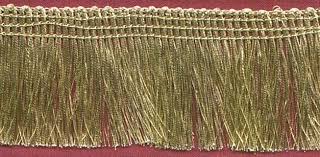
Frise : (or Hard Twist):(carpet) To create a highly textured cut pile effect, frise uses a tightly twisted yarn.
Find more design definitions