Interior Design and Decorating Terms – C
Definitions and images of interior items such as Chiffonier, Chair rail, Chase Longue, Chintz, Colorwash and more.
Ceiling Mounted Track:(drapery) This track is mounted to the ceiling rather than the wall, it is useful when you have a window that goes right up to the ceiling or a wide sill that protrudes that you want to avoid.
Cellulose Paste:(wallcovering) This is a combination of various cellulose ethers obtained from cotton or wood pulp, these are alkali treated and combined with synthetically produced starch ethers. It is available in two grades – standard and heavy duty, both contain strong fungicides.
Cement Resin:This comprises of cement polyester resin and an aggregate (crushed stone or sand). It can be laid over concrete or a timber base. It provides a hard wearing non-slip surface, which has a slight texture.
Ceramic Tile: A thin, flat piece of fired clay, usually square. These pieces of clay are attached to walls, floors, or counter tops, with cement or other adhesives, creating durable, decorative, and dirt?resistant surfaces. Tiles may be plastic process (formed while clay is wet) or dust?pressed process (compressed clay powder). They may be glazed (vitrified coating); unglazed (natural surface); non-vitrified, semi-vitrified, and vitreous (porous, semi-porous, or relatively nonporous).
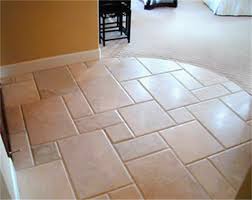
Chair Rail: Old fashioned wooden molding fixed to a wall at dado height. Used to stop the backs of chairs from rubbing directly on the wall.
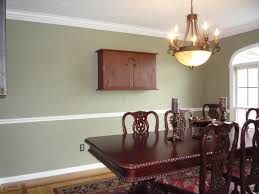
Chaise Longue: (Fr) – From the French language, meaning Long Chair. A reclining chair with a back and head rest at one end only.
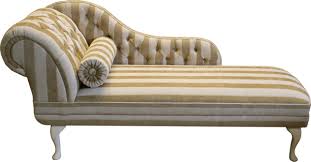
Chalking:(paint) is a powdery deposit being formed on a dry paint film surface. The powder is unbound pigment. This is caused by painting over surfaces that haven’t been sealed sufficiently, or the paint is deficient in binder, caused by over thinning. It can also occur when using interior paints on exterior surfaces.
Challis: One of the softest fabrics made. Normally made of rayon and also combined with cotton.
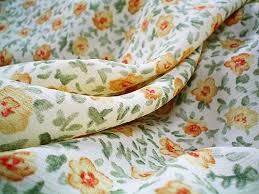
Chambray:Smooth surface with frosty appearance in various colors.
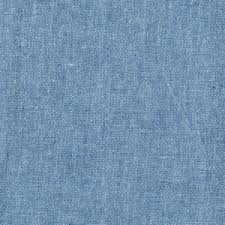
Chamfer: A bevel or slope made by paring off the edge of anything originally right?angled. Often used on the legs of furniture.
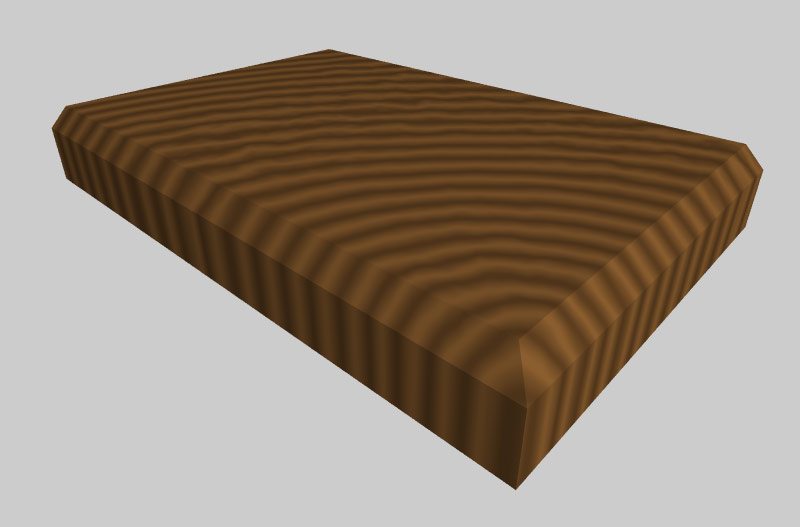
Chase:Groove cut into wall or floor to take pipes or cables.
Checking, Cracking, Crocodiling, Alligatoring:(paint) these are all names for splits that appear in the film of the surface coating. It is caused by the use of excessive dryers or re coating before the under coat is dry. To prevent this add only a minimum amount of dryers and allow the specified time to dry between coats – don’t rush!
Chenille: (fabric) “poor man’s velvet” Originally constructed of silk, then wool, now cotton. It was named after the French word for caterpillar. The yarn has a pile protruding all around it. It is looped onto the backing like a rug, not cut like velvet.
Chiffonier: A chest of drawers also containing a cupboard and doors. Often with shelves and mirror above.
Chinoiserie: European designs from the late 17th century which drew heavily on far eastern motifs, fretwork, pagodas, birds, landscapes, rivers etc.
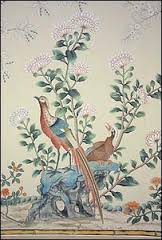
Chintz: A popular glazed cotton curtain fabric often printed with gay figures and large flower designs. Some glazes will wash out in laundering. The only durable glaze is a resin finish, which will withstand washing or dry cleaning. Unglazed chintz is called Cretonne. It is ideal for most applications except upholstery.
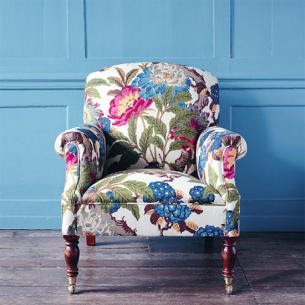
Chintz(wall-covering) patterns are made to imitate cotton chintz forms.
Chipboard: This is made of chips of timber combined with urea formaldehyde resins bonded to form a board. It is fixed by nailing to timber joists. It is a cheap product with a moderate wearability. Its surface looks similar to cork when it is sealed.
Chrome Plated Steel: Carbon steel which has been electroplated with chromium (a white shiny metal which prevents the steel from corroding). The plating process was perfected in the United States in 1924 and once introduced to the market quickly replaced nickel as a material, as the chromium creates a brighter more retentive colour.
Cissing: (paint) this is globules or misses on the paint film where it has not adhered to the substrate. Painting greasy or very smooth shiny surfaces causes it, or finishing over an oily undercoat. Thoroughly washing and rinsing the substrate can prevent it as well as a light sand to remove the shine.
Cladding: Any material fixed as skin to walls and roofs. It is a weathering surface that protects a building.
Clapboard: Weather boarding, thicker at one edge than the other, fixed with thick edge overlapping thin one. Used to clad buildings.
Clash Color Scheme: Select one color , then use one color from either side of its complementary. This provides a clash color scheme that has an assertive aggressive effect.
Clear Finishes: (lacquer or varnish), are transparent and are used so that the substrate’s appearance is enhanced by the application as well as protected. They are made up of a binder, solvent and additives. Paint composition is similar but requires pigments for colour and extenders for opacity.They may be in gloss semi gloss or Matt finish
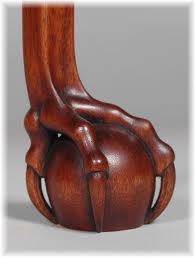
Claw and Ball Foot: A carved or cast furniture leg with the foot in the shape of a claw clasping a ball. The oriental furniture depicts a dragons claw and the European and American an eagle claw.
Coir (Coconut) Matting: often used as a doormat and is a thick and spiky fiber. It is often used in mat wells of commercial buildings. Coir matting is the better quality product than coconut matting and is available in carpet width; it is usually produced in its natural colouring.
Color Size: Color changes the apparent size of objects. The colors that look heavy also look small.
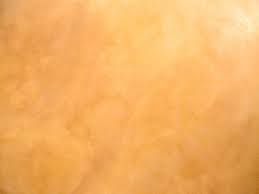
Colorwash: (paint effects) this is a diluted layer of paint or proprietary product that is applied over a base coat to provide a wash or “glimpse” of color. Used often in country homes.
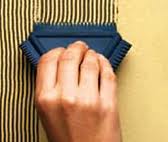
Combing: (paint effects) this is similar to wood graining, a notched card or comb is dragged over a painted or translucent glazed surface to achieve lines, squiggles, zig zags or any pattern that is desired. If patience is on your side you can divide up spaces and create combed tiles, these are very successful for decorating a timber floor.
Comforter: This is a lightweight quilt that can be used over other bedding or as a single covering. It is similar in size to a Duvet so it also requires a Valance.
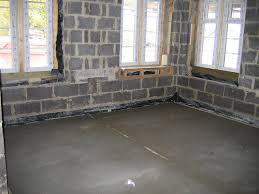
Concrete Screeds: These are usually used as a base for other floor finishes. There are many forms, monolithic, laid over the concrete base within a few hours of the base being laid. Bonded – existing concrete base with aggregate exposed has a cement screed laid over it. Unbonded – a cement screed is laid over a plain existing concrete base. Floating – is laid over thermal or sound insulation materials.
Find more interiordezine.com Design Definitions